
AI Is Everywhere in Hiring - But Human Insight Still Matters
The hiring landscape is changing faster than anyone expected. Artificial intelligence and automation have crept into nearly every corner of the recruitment process, and both employers and job seekers are leaning heavily on these tools. What was supposed to make hiring easier has created a new kind of standoff…one where it’s getting harder to tell who has real qualifications and who is simply good at using AI.
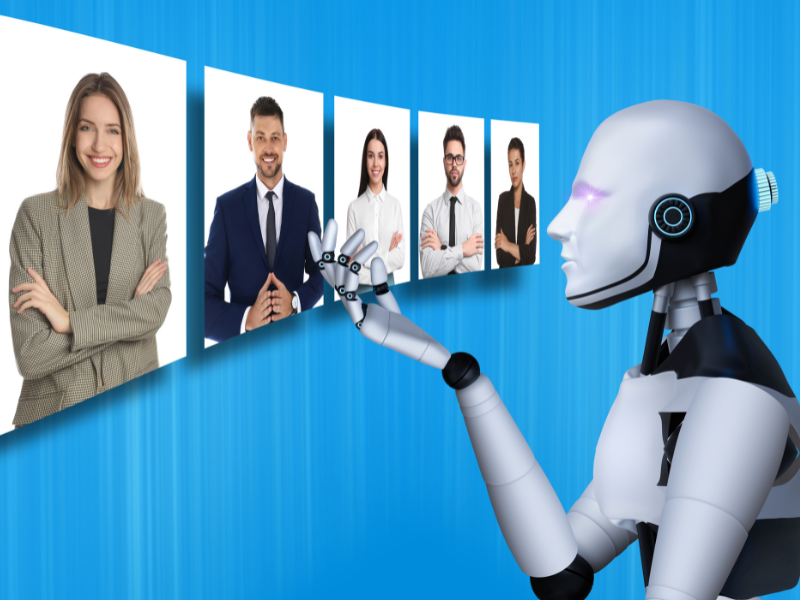
Candidates now have access to tools that can write resumes, tailor applications, complete skills tests, and even generate polished interview responses in real time. At the same time, employers are relying on algorithms to filter applicants, schedule interviews, and evaluate skills at scale. The result? Both sides are overwhelmed, frustrated, and increasingly unsure of what’s authentic.
In fact, the latest data shows the cost-per-hire and time-to-hire have gone up over the last three years - the same period that saw explosive growth in generative AI use. AI has sped things up, but it has also created an unprecedented noise level in the hiring process.
And that’s exactly why assessments that measure intelligence, behavioral tendencies, motivators (Drivers), and soft skills are becoming mission-critical.
The Automation Standoff Is Real…And It’s Getting Worse
Recruiting has always worked best when it’s grounded in human connection. But in the current environment, the balance has shifted so heavily toward automation that essential qualities, such as judgment, work style, curiosity, resilience, problem-solving, are getting lost.
Here’s what’s happening:
Employers are flooded with mass-produced, AI-polished applications.
Many resumes look nearly identical because software optimizes them all the same way.
AI-assisted job applications are skyrocketing, increasing volume dramatically.
Some candidates are even using AI tools during assessments or interviews to appear more qualified.
On the other side, candidates feel discouraged when they rarely interact with a human until late in the process. The hiring funnel feels impersonal, unpredictable, and easy to cheat.
The consequence is an increasingly arms-race-like dynamic in which, absurdly, AI screens AI, while employers still struggle to identify the people who genuinely fit the role.
This Is Exactly Why Human-Centric Assessments Matter More Than Ever
When technology can mask a candidate’s strengths, weaknesses, and actual capabilities, employers need another way to understand who they are hiring. That requires tools that measure what AI can’t imitate convincingly:
1. Cognitive Ability
Intelligence assessments reveal whether someone can learn quickly, solve new problems, and adapt… qualities that no auto-written resume can fake.
2. Behavioral Traits
These assessments show how a candidate naturally operates: Do they thrive on details or big-picture thinking? Are they steady or fast-paced? Collaborative or independent?
AI can polish presentation, but it cannot alter temperament.
3. Drivers/Motivators
Understanding what energizes or drains a candidate helps employers predict engagement and retention. AI can’t manufacture genuine motivation.
4. Soft Skills
Communication, teamwork, empathy, leadership, reliability - these interpersonal traits determine how someone shows up at work and whether they can build trust.
Technology can simulate accuracy; it cannot simulate character.
These insights restore clarity, giving employers a grounded, human view of the person behind the AI-generated polish.
Why You Can’t Rely on Speed Alone
Many organizations adopted AI tools to speed up hiring. And for high-volume hourly roles, speed absolutely matters. Quick scheduling and automated messaging can be a competitive advantage.
But for most jobs, especially roles that require judgment, collaboration, or leadership, pure efficiency often leads to poor outcomes. Employers who over-automate risk:
Hiring someone who used AI to appear more qualified than they are
Missing standout candidates who may not present themselves perfectly
Making decisions based on volume, not value
That’s why more companies are intentionally slowing parts of the process down again. They're adding assessments, more human touchpoints, and better evaluation tools to ensure they truly understand who they’re bringing into the organization.
Job Seekers Are Using AI - A Lot - and It’s Changing the Game
Estimates suggest that 40% to 80% of applicants (SHRM) now use AI to generate resumes, tailor applications, and prep interview answers.
This doesn’t inherently make someone a bad candidate, but it absolutely makes it harder for employers to assess fit.
When every resume is optimized and every interview answer sounds polished, you need deeper visibility into:
How a person thinks
What drives them
How they behave under pressure
Whether they align with the team’s needs
AI may help candidates look the part - but assessments help reveal who they actually are.
Restoring Trust in Hiring Requires More Human Insight, Not Less
Technology is here to stay, and it has real value. It can reduce bias when used properly, surface overlooked candidates, and streamline administrative tasks. But hiring cannot become a fully automated transaction. The stakes are too high.
Employers who want better long-term outcomes need to invest in understanding people.
Assessment tools that measure intelligence, behavior, Drivers, and soft skills fill the gap AI has created. They bring the human element back into hiring and give employers confidence that they are selecting someone with the right capabilities, mindset, and motivation.
Hiring is evolving, and the organizations that thrive will be those that embrace technology without letting it replace human judgment. AI can help you sort applicants, and assessments help you select the right ones.
If you'd like support implementing meaningful, science-backed assessments into your hiring process, we can help you build a smarter, more human-centered approach.